Free Stock Analysis — Value Trap or Hidden Bargain?
Free fundamental analysis for 315+ US stocks — intrinsic value, bankruptcy risk, moat rating, and dividend safety. Powered by SEC EDGAR data and a transparent three-factor valuation model.
Curated picks across every sector
A snapshot of our coverage — from blue-chip stalwarts to high-growth contenders and turnaround plays. Click any card for the full analysis.
Blue-Chip Value
Profitable, wide-moat companies with low overall risk — the backbone of a value portfolio.
Microsoft Corporation
Johnson & Johnson
Visa Inc.
Mastercard Incorporated
UnitedHealth Group Incorporated
The Coca-Cola Company
Walmart Inc.
Dividend Stalwarts
Reliable income generators — long payout histories, strong free cash flow coverage, safety-graded A through F.
Altria Group, Inc.
PepsiCo, Inc.
Colgate-Palmolive Company
Kimberly-Clark Corporation
The Procter & Gamble Company
Chevron Corporation
AbbVie Inc.
Exxon Mobil Corporation
Growth Leaders
High-growth names where traditional valuation meets momentum — classified as value-speculation or pure speculation.
Advanced Micro Devices, Inc.
Alphabet Inc.
Palo Alto Networks, Inc.
Shopify Inc.
Netflix, Inc.
Amazon.com, Inc.
Meta Platforms, Inc.
Uber Technologies, Inc.
Turnaround & Distress Watch
Companies with elevated bankruptcy risk or recent setbacks — potential deep-value or value traps. Proceed with caution.
Intel Corporation
The Boeing Company
American Airlines Group Inc.
Pfizer Inc.
NIKE, Inc.
The Walt Disney Company
3M Company
Ford Motor Company
AI & Cloud Computing
The companies building and powering the AI revolution — from GPU makers and cloud hyperscalers to enterprise AI platforms.
NVIDIA Corporation
Taiwan Semiconductor Manufacturing Company Limited
ASML Holding N.V.
AppLovin Corporation
Palantir Technologies Inc.
Super Micro Computer, Inc.
CrowdStrike Holdings, Inc.
Snowflake Inc.
Eight tools to audit any stock
Each engine answers a different question. Use them together for a complete picture before making any investment decision.
Risk Audit
Is the company in financial distress? Altman Z-Score bankruptcy screening and value trap detection from SEC EDGAR filings.
Z-Score · Bankruptcy · Value TrapsFair Value Lab
What is the stock actually worth? Three-factor model blending PE-based valuation, DCF, and EV/FCF to estimate intrinsic value and margin of safety.
3-Factor Model · Intrinsic Value · Strike ZoneMoat Ratings
Does the company have a durable competitive advantage? ROIC stability, gross margin trends, and switching cost analysis rated 1–5 stars.
ROIC · Margins · Wide MoatDividend Safety
Is the dividend at risk of a cut? Payout ratio, FCF coverage, and growth streak graded A through F.
Payout Ratio · FCF · Safety GradeETF Analysis
Not sure which fund to pick? We break down top ETFs by holdings quality, expense ratio, and underlying moat concentration.
Holdings · Expense Ratio · Best Value ETFsSpeculation Lab
High-beta and meme stocks analyzed with the same rigor. Know exactly what you are buying — and what could go wrong.
High Beta · Meme Stocks · Risk AwareValue Investing Academy
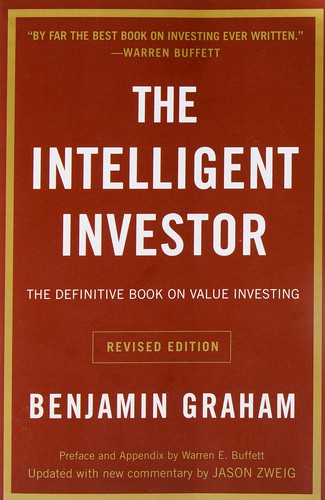
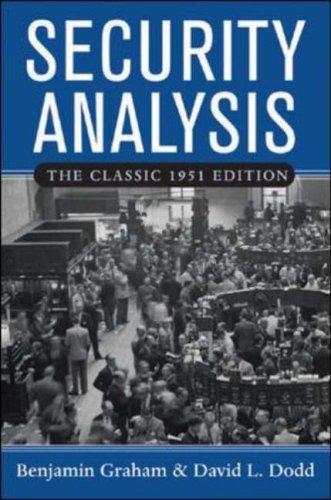
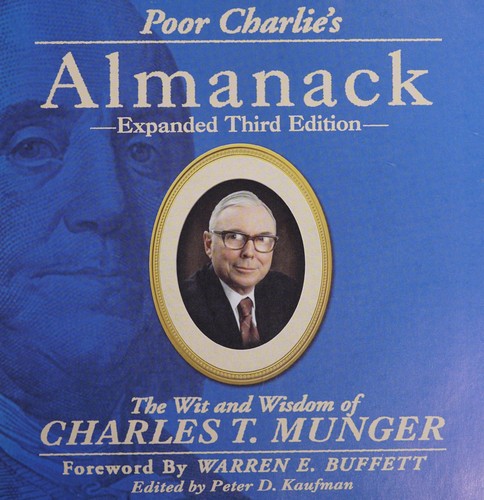
Learn value investing from Buffett, Munger, and Graham. A century of wisdom distilled into interactive lessons and quizzes.
Buffett · Graham · Mental ModelsStock Screener
Filter 350 stocks by valuation, risk level, moat rating, and dividend safety. Find your next investment in seconds.
Filter · Sort · Strike ZoneFrom SEC filing to verdict — in four steps
No black boxes. Every number on this site has a formula you can audit on the methodology page.
Pull SEC filings
Financial statements extracted directly from 10-K and 10-Q filings on SEC EDGAR — same data Wall Street uses, refreshed within 24h of a new filing.
Run risk models
Altman Z-Score for bankruptcy probability, a three-factor model (PE × Forward EPS + DCF + EV/FCF) for intrinsic value, payout & FCF coverage for dividend safety — every formula documented.
Rate the moat
10-year ROIC stability, gross margin trend, and qualitative switching-cost assessment combined into a 1–5 star moat rating.
Deliver the verdict
A red/yellow/green risk dashboard with margin of safety — so you know at a glance whether a stock is in the strike zone.
Plain-English answers.
What is an Altman Z-Score and why does it matter?
The Altman Z-Score is a financial formula that predicts the probability of a company going bankrupt within 2 years. A score below 1.8 signals distress, 1.8–3.0 is a gray zone, and above 3.0 indicates financial health. We calculate it from the company's latest SEC filings so you can spot trouble early.
How do you calculate intrinsic value?
We use a three-factor valuation model: Historical PE × Forward EPS (50% weight), Discounted Cash Flow (30%), and EV/FCF (20%). Growth rates blend 70% analyst consensus with 30% historical CAGR, discounted at a CAPM-derived WACC. Net cash from the balance sheet is added. The result is our estimate of what the stock is actually worth — independent of market sentiment.
Is FairValueLabs free to use?
Yes, completely free. All our data comes from SEC EDGAR public filings and open financial APIs. We believe fundamental analysis should be accessible to every investor, not locked behind expensive terminal subscriptions.
What does "margin of safety" mean?
Margin of safety is the gap between a stock's intrinsic value (what it's worth) and its market price (what it costs). A positive margin means the stock trades below fair value — a potential bargain. A negative margin means it trades above fair value — you're paying a premium. Value investors typically look for at least a 25% margin of safety.
How often is the data updated?
Financial statements are updated after each quarterly SEC filing (10-Q) and annual filing (10-K). Stock prices are refreshed daily. Our automated pipeline checks SEC EDGAR for new filings and recalculates all metrics when fresh data is available.